What is a Photoelectric Sensor and How Does It Work?
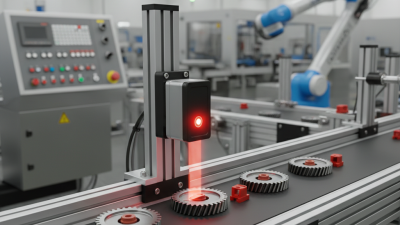
In industrial automation, the role of a Photoelectric Sensor is crucial. Dr. Michael Thompson, a leading expert in sensor technology, once stated, "The power of photoelectric sensors lies in their versatility and precision." These devices detect objects, changes in surface conditions, or distances using light. They work by emitting light beams that reflect back upon detecting an object. The simplicity of this mechanism often belies the complexity behind their applications.
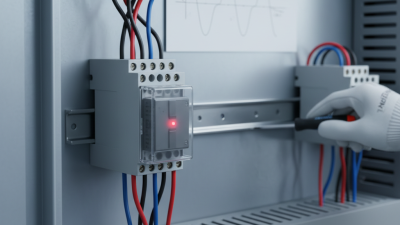
Manufacturers widely use Photoelectric Sensors in various sectors, from packaging to automotive. Their ability to operate effectively in different environments makes them invaluable. However, some users may overlook the importance of proper installation and calibration. Misalignment can greatly affect their performance. Understanding this technology requires both knowledge and experience.
While the benefits are significant, challenges exist. For instance, obstacles like dust and dirt can hinder their functionality. Regular maintenance is necessary, yet often neglected. Emphasizing the practical application of Photoelectric Sensors reveals both their power and potential pitfalls. With ongoing advancements, these sensors continue to evolve, driving innovation in automation.
What is a Photoelectric Sensor?
Photoelectric sensors are vital components in modern automation. They convert light into an electrical signal. This conversion allows them to detect the presence or absence of objects. Industrial sectors widely use them for packaging, sorting, and counting.
These sensors operate on various principles. The most common types include retroreflective, through-beam, and diffused sensors. According to a recent report from MarketsandMarkets, the global photoelectric sensor market is projected to grow from USD 2.56 billion in 2020 to USD 4.18 billion by 2025, reflecting a compound annual growth rate of 10.4%. This growth highlights their increasing importance in manufacturing and logistics.
Tips: Understanding the specific application is crucial. Choose a sensor type based on the required distance and environment. Regular maintenance is essential to ensure optimal performance, as dust and debris can affect readings. Despite their reliability, photoelectric sensors may sometimes produce false readings. It’s important to evaluate sensor positioning and surrounding conditions regularly.
Photoelectric Sensor Response Characteristics
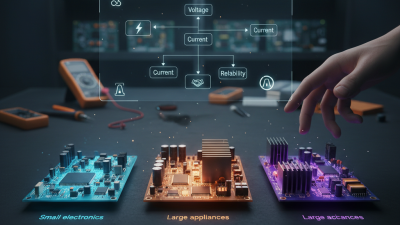
This chart represents the performance metrics of photoelectric sensors, highlighting factors such as light intensity, temperature, response time, and distance. These metrics are essential for evaluating the effectiveness and functionality of photoelectric sensors in various applications.
Principles of Operation for Photoelectric Sensors
Photoelectric sensors operate based on the interaction between light and an object. They utilize a light source, usually a laser or LED, and a light receiver. When an object interrupts the light beam, a change occurs, which the sensor detects. This principle allows for non-contact detection of objects, making photoelectric sensors essential in various applications, such as automation and safety systems.
Industry reports indicate that the photoelectric sensor market is projected to grow significantly. According to a recent market analysis, it's expected to reach USD 3.5 billion by 2025. This growth reflects the rising demand for efficient and reliable sensing solutions in manufacturing processes. For instance, sensors can accurately detect the presence of products on assembly lines, enhancing operational efficiency.
Despite their advantages, photoelectric sensors are not without challenges. Environmental factors, like dust or fog, can impact performance. The alignment of the sensor and its light source is crucial; misalignment can lead to false readings. Users must regularly check these aspects to ensure optimal functioning. Overall, understanding these operational principles is vital for maximizing the reliability of photoelectric sensors in any setting.
Types of Photoelectric Sensors and Their Applications
Photoelectric sensors are crucial in various industries. They use light to detect objects, space, or changes in the environment. There are several types of photoelectric sensors, each serving different applications. The three main types are retro-reflective, through-beam, and diffuse sensors. Retro-reflective sensors bounce light off a reflector. This design is common in packaging and assembly lines.
Through-beam sensors emit a beam of light to a receiver. They are highly sensitive and are often used in safety applications, like gates and barriers. According to a recent market analysis, the global photoelectric sensor market is expected to reach $3.2 billion by 2026. This growth is primarily driven by increased automation in manufacturing.
Diffuse sensors are different, as they detect objects based on light reflected from the object itself. These sensors are utilized in high-speed production environments. Interestingly, while some sensors excel in specific conditions, others can struggle with ambient light or reflective surfaces. Industries often need to test and recalibrate these sensors to maintain accuracy in data collection and object detection. Such attention to detail often reflects the reliability required in automated systems today.
Advantages and Limitations of Photoelectric Sensors
Photoelectric sensors have become a critical technology in various industries. They utilize light to detect objects, providing advantages like non-contact sensing. Their accuracy can be beneficial for automation in manufacturing and logistics. According to industry reports, the global photoelectric sensor market is projected to reach $2.5 billion by 2025. This growth highlights the increasing reliance on these sensors in industrial settings.
However, photoelectric sensors also come with limitations. Their performance can be affected by environmental factors, such as dust and moisture. In some cases, they may not differentiate between transparent objects or those with similar colors. This can lead to misdetections, which may disrupt operations. Data indicates that nearly 15% of sensor-related failures are due to these environmental interferences.
Moreover, installation can be a challenge. While they are flexible, proper alignment is crucial. A misaligned sensor may not function as intended, leading to increased downtime. Professionals in the field often reflect on these challenges. They recognize that while photoelectric sensors offer remarkable benefits, understanding their limitations is essential for optimizing performance in real-world applications.
Common Applications of Photoelectric Sensors in Industry
Photoelectric sensors are widely used in various industries. They detect objects, measure distances, and identify colors. Their functionality relies on light transmission and reception, making them essential for automation.
In manufacturing, photoelectric sensors are crucial for quality control. They inspect products on assembly lines, ensuring they meet specific standards. A small error can lead to significant waste. Additionally, these sensors are effective in packaging. They help to detect the presence of items before sealing, reducing the chance of damaged goods.
In the logistics sector, photoelectric sensors assist with inventory management. They can track the movement of goods on conveyor belts. This process helps to maintain accurate stock levels. However, there are challenges, such as misalignment or dirt obstructing the sensor. Regular maintenance is vital to avoid errors. Thus, while photoelectric sensors enhance efficiency, they require attention to detail to operate optimally.