Top 10 Benefits of Using Photoelectric Sensors for Automation?
In the realm of automation, the Photoelectric Sensor stands out as a crucial component. These sensors utilize light to detect the presence of objects, making them invaluable in various applications. Their precision greatly enhances productivity in manufacturing systems. For instance, they can identify and track items on conveyor belts with remarkable accuracy.
Photoelectric Sensors also offer versatility. They operate well in various environments, including harsh conditions. This adaptability makes them suitable for sectors like automotive and food processing. Despite their advantages, challenges may arise. Installation and alignment require careful attention. Misconfigurations can lead to operational inefficiencies.
Incorporating a Photoelectric Sensor into automation systems can yield significant benefits. Enhanced safety, reduced downtime, and improved efficiency are just a few. These sensors are designed not only to detect but also to respond to their surroundings. A well-implemented system can transform production lines, but there's always room for improvement. Continuous evaluation is essential to maximize performance.
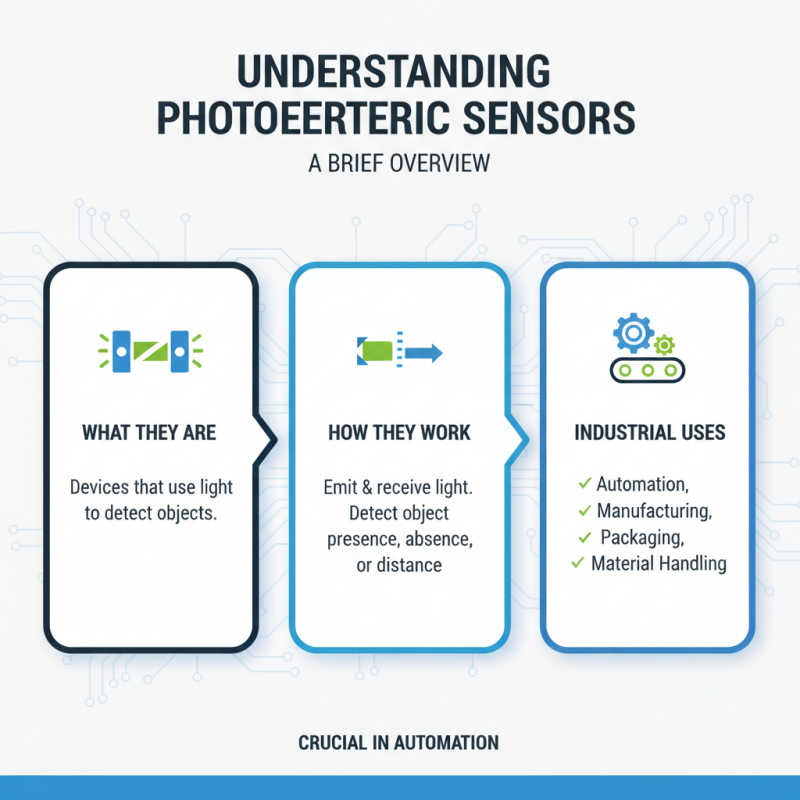
Understanding Photoelectric Sensors: A Brief Overview
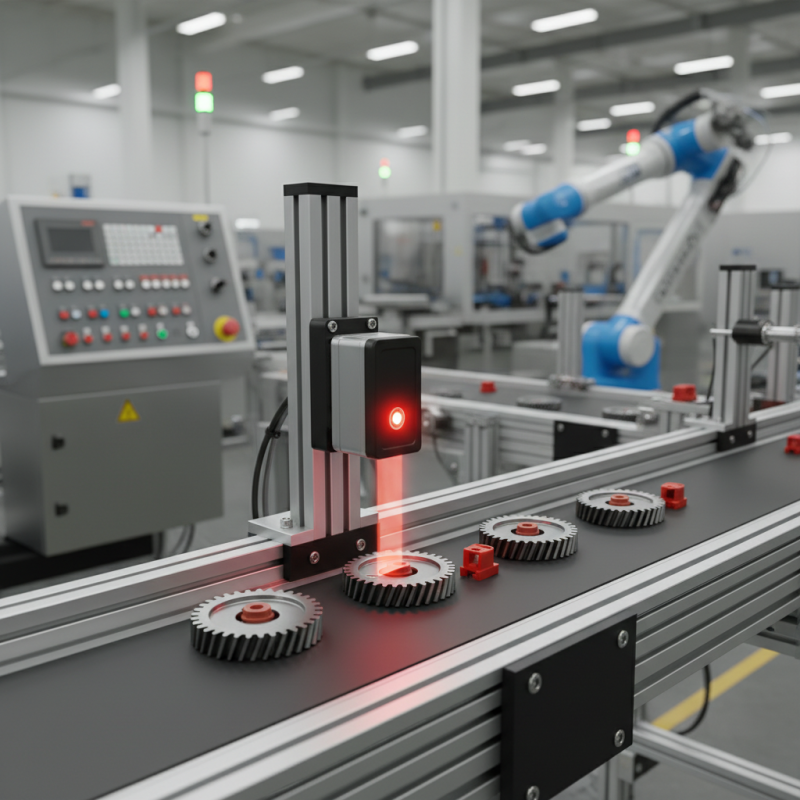
Photoelectric sensors play a crucial role in automation. These devices detect objects using light beams. They can sense presence, absence, or distance of objects. This makes them ideal for various industrial applications.
According to a report by Research and Markets, the global photoelectric sensor market is expected to reach $3.5 billion by 2026. This growth reflects how essential these sensors are in enhancing efficiency. They reduce human error and speed up processes. Their ability to function in diverse environments adds to their appeal. Industries, from manufacturing to packaging, benefit significantly.
However, while photoelectric sensors offer numerous advantages, they are not without challenges. Environmental factors like dust and fog can affect performance. Also, misalignment during installation may lead to unreliable readings. Regular maintenance and calibration can address these issues, ensuring optimal functionality. Therefore, a proactive approach is essential for maximizing their benefits.
Enhancing Operational Efficiency through Automation with Sensors
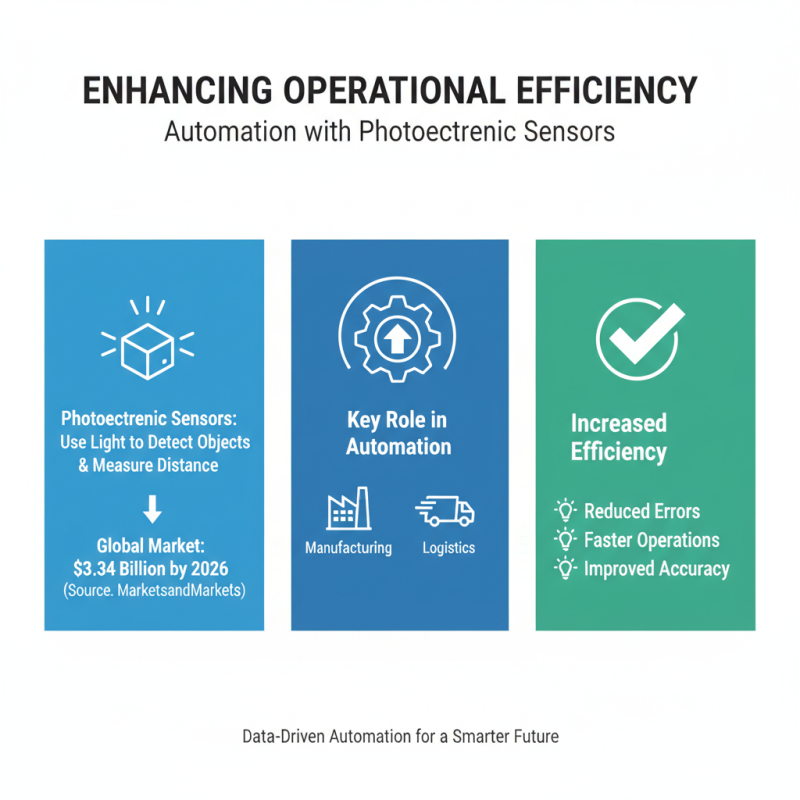
In the era of automation, photoelectric sensors play a crucial role in enhancing operational efficiency. These sensors use light to detect objects and measure distances. According to a report by MarketsandMarkets, the global photoelectric sensor market is expected to reach $3.34 billion by 2026. This growth reflects their significant impact on manufacturing and logistics.
In practical settings, photoelectric sensors can accelerate production lines. They can identify objects swiftly, minimizing the time needed for manual checks. For instance, in a packaging line, these sensors ensure that items are correctly positioned before sealing. Studies show that automation can lead to a 20% increase in productivity. However, not every implementation runs smoothly. Some companies report issues like sensor misalignments, resulting in production stops.
Industry data highlights that integrating these sensors can reduce error rates by up to 30%. This improvement leads to lower operational costs. Yet, reliance on technology does raise concerns. Over-dependence on sensors may lead to reduced human oversight. If technical failures occur, the systems can halt unexpectedly. It's critical for businesses to balance automation with human monitoring for overall success.
Improved Safety Measures Provided by Photoelectric Technology
Photoelectric sensors are essential in enhancing workplace safety. These sensors detect objects and barriers without physical contact. They significantly reduce the risk of accidents and injuries during automation processes. By using light instead of mechanical parts, they minimize wear and tear in complex machinery. This maintains operational integrity and reduces downtime caused by faulty components.
In industries like manufacturing and logistics, photoelectric sensors play a crucial role. They can instantly detect the presence of people or objects. This feature helps in preventing collisions between equipment and personnel. Imagine a factory floor where machinery automatically stops detecting a worker's presence. Such technology creates a safer work environment. Workers feel more secure, leading to increased productivity.
Tips for implementation: Regularly test and calibrate photoelectric sensors to ensure optimal performance. Conduct training sessions for employees to understand these devices. Also, reflect on incidents that could have been prevented. This awareness can enhance safety protocols and promote a culture of vigilance. Investing in photoelectric technology is a step toward a safer, more efficient workplace.
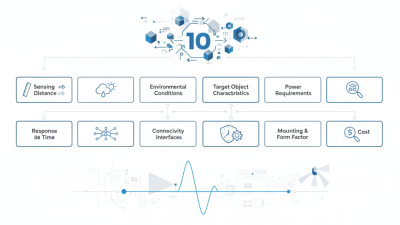
Top 10 Benefits of Using Photoelectric Sensors for Automation
This bar chart illustrates the top 10 benefits of using photoelectric sensors in automation, showcasing how each benefit contributes to the overall effectiveness and reliability of automation processes.
Cost-Effectiveness of Implementing Photoelectric Sensors
The cost-effectiveness of implementing photoelectric sensors in automation is noteworthy. A report by the International Society of Automation indicates that these sensors can reduce labor costs by up to 30%. This is largely due to their ability to detect presence and absence without human intervention. Additionally, they streamline processes, significantly improving operational efficiency.
Maintenance costs also decline with photoelectric sensors. Their durability often leads to longer lifespans, which can exceed five years in some cases. According to recent studies, companies that adopt these sensors see a 15% decrease in maintenance-related expenses. However, upfront investment in quality sensors may still be a barrier for some. Companies must weigh initial costs against long-term savings, which requires careful consideration.
Implementing photoelectric sensors requires knowledge and experience. Understanding their operational needs is crucial for proper integration. Misapplications can lead to inefficiencies, negating potential savings. While many firms find success, some report challenges in the adjustment phase. Achieving the full benefits cannot happen without a well-planned approach.
Top 10 Benefits of Using Photoelectric Sensors for Automation
| Benefit |
Description |
Cost Impact |
| High Precision |
Accurate detection of objects and positions. |
Reduces errors, saving costs in material waste. |
| Versatility |
Can be used in various applications across industries. |
Lowers the need for multiple sensor types. |
| Durability |
Resistant to harsh environmental conditions. |
Decreases maintenance and replacement costs. |
| Speed of Operation |
Fast response time enhances overall system speed. |
Increases productivity and throughput. |
| No Physical Contact Required |
Non-contact sensing reduces wear and tear. |
Lowers replacement and repair costs significantly. |
| Energy Efficiency |
Consumes less power compared to traditional sensors. |
Reduces overall energy bills in operations. |
| Enhanced Safety |
Improves workplace safety by detecting hazards. |
Potentially lowers insurance costs. |
| Remote Monitoring Capabilities |
Allows for monitoring from a distance. |
Reduces labor costs with less need for on-site checks. |
| Easy Integration |
Can be easily integrated into existing systems. |
Minimizes costs associated with system upgrades. |
| Improved Data Collection |
Provides accurate data for better decision-making. |
Helps in allocating resources more efficiently, reducing costs. |
Versatility of Photoelectric Sensors in Various Industries
Photoelectric sensors are incredibly versatile, finding applications across various industries. In manufacturing, these sensors enhance automation and quality control.
According to a report by MarketsandMarkets, the photoelectric sensor market is projected to reach $3.67 billion by 2026, growing at a CAGR of 7.3%. This growth reflects a rising demand for efficient and reliable automation solutions.
In packaging industries, photoelectric sensors play a vital role in detecting products on conveyor belts. They ensure that items are correctly positioned, improving the speed of operations.
Data from Technavio indicates that the adoption of industrial automation technologies, including photoelectric sensors, can reduce production time by up to 20%. This efficiency boost demonstrates the tangible benefits these sensors bring to operational workflows.
Despite their advantages, integrating photoelectric sensors can present challenges. The need for proper calibration is crucial. Misalignment or incorrect settings can lead to false readings. This underscores the importance of training and expertise when implementing these technologies.
Overall, the versatility of photoelectric sensors in automation showcases their significance across diverse sectors, while also highlighting areas for improvement.