How to Choose the Right SCR Power Regulator for Your Needs?
Choosing the right SCR power regulator can be challenging. This decision significantly impacts efficiency and performance in various applications. SCR power regulators are key components in controlling electrical power. Their selection requires careful consideration of specific needs and operational contexts.
Understanding the types of SCR power regulators is essential. Each type has unique features that cater to different applications. For instance, some are designed for high-voltage environments, while others excel in precise temperature control. A mismatch could lead to inefficiencies or even equipment damage.
Evaluating your application’s requirements is crucial. Factors such as load type, control methods, and thermal management play roles in selection. The right choice can enhance reliability and performance of your systems. It’s worthwhile to consult experts or resources in the field. Gaining insights can guide your decision-making process.
Understanding SCR Power Regulators: Principles and Applications
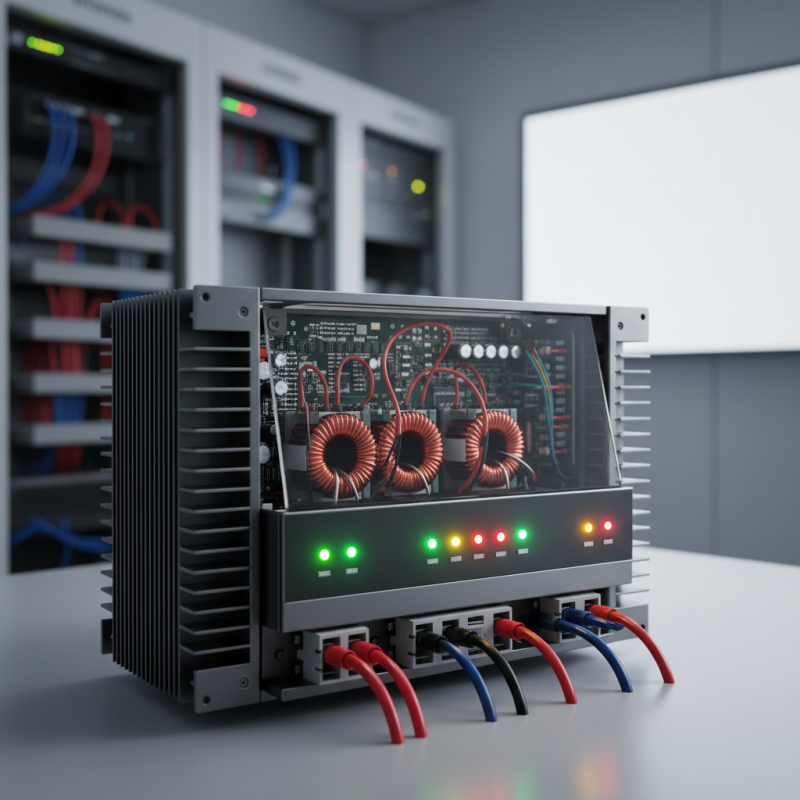
SCR power regulators are crucial components in various industrial applications. They manage and control power flow efficiently. Understanding the principles behind these regulators can help ensure optimal performance. At their core, SCRs (Silicon Controlled Rectifiers) act as electronic switches. They can regulate voltage and current, making them invaluable in heating processes, motor control, and light dimming applications.
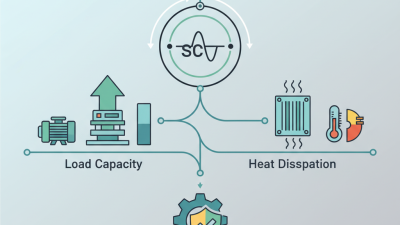
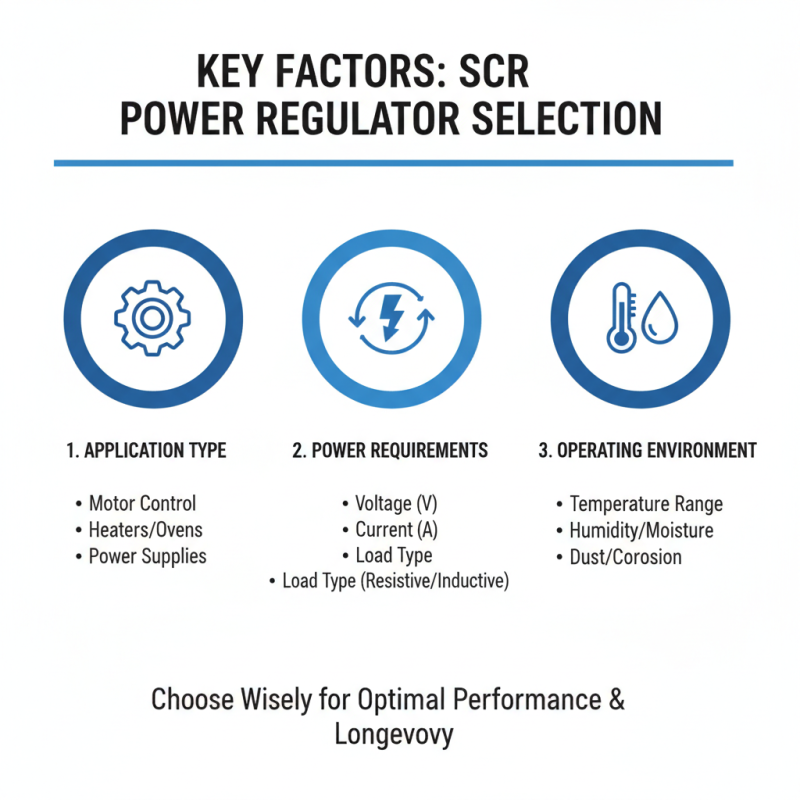
In practice, selecting the right SCR power regulator involves several factors. Consider the load type and its power requirements. If the load is inductive, like motors or transformers, the SCR needs to handle higher inrush currents. For resistive loads, simpler configurations can often suffice. It's essential to evaluate thermal management, as overheating can lead to failures. Effective heat sinks or cooling methods can extend the regulator's lifespan.
Additionally, while SCRs are reliable, they may not suit every application. For precise control, you might need to explore advanced technologies. Reflection on your specific needs and system design is vital. Ignoring these aspects could lead to inefficiencies and unanticipated costs. Choosing wisely can significantly impact your project’s success, ensuring both reliability and efficiency in your operations.
Key Factors to Consider When Selecting an SCR Power Regulator
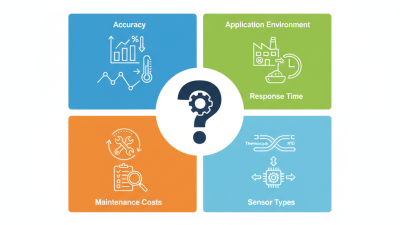
When choosing an SCR power regulator, certain key factors deserve your attention. Understanding your specific applications is crucial. Consider the voltage and current requirements of the devices you plan to power. Additionally, think about the environment where the regulator will operate. Are there temperature extremes or exposure to moisture? These details significantly impact your choice.
Tips: Assess the power load carefully. Overrating the regulator can lead to inefficiencies and additional heat generation. Underestimating it, however, can result in failures or damage to connected devices.
Another factor is the control method. SCR regulators can be phase control or integral cycle control. Phase control is often better for resistive loads, while integral cycle is useful for inductive applications. Be honest about your experience level. If unsure, seek guidance from professionals or consult existing literature.
Tips: Review user manuals and technical specifications. These documents can provide insights into the performance and limitations of different models. Don't hesitate to contact manufacturers for clarification on specific features. This is valuable in ensuring the regulator will fulfill your needs.
Comparative Analysis of SCR Power Regulators in Industrial Settings
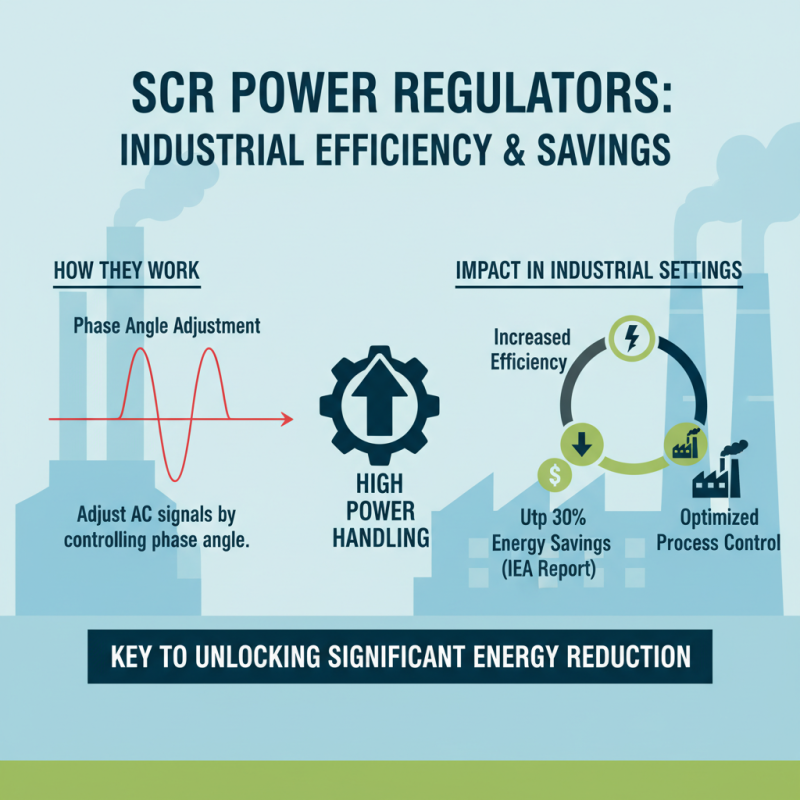
In industrial settings, choosing the right silicon-controlled rectifier (SCR) power regulator can significantly impact efficiency. SCR regulators are known for their ability to handle high power levels. They work by adjusting the phase angle of AC signals. A report by the International Energy Agency highlights their potential in energy savings, estimating that optimal regulation could reduce energy consumption by up to 30%.
When comparing SCR power regulators, it's crucial to analyze factors like load type and control complexity. Some models cater specifically to resistive loads, while others excel with inductive loads. In a case study, facilities using SCR to manage inductive load saw lower thermal stress on components, extending lifespan by 25%. However, operators often face challenges in fine-tuning these systems, potentially leading to inefficiencies.
Moreover, studies indicate that improper selection can result in performance dips. Many facilities reported issues with inadequate power capacity. This insight urges operators to review existing equipment and assess actual demand. Understanding the nuances in SCR performance is essential for maximizing output and minimizing operational costs. Analysis of failure rates shows that poorly matched regulators lead to increased downtime and maintenance challenges, warranting a thorough selection process.
Evaluating Voltage and Current Ratings for Optimal Performance
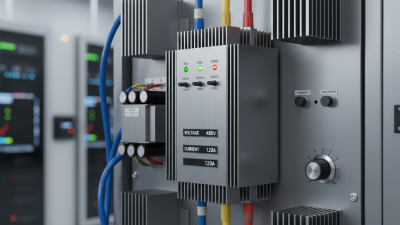
When selecting an SCR power regulator, evaluating voltage and current ratings is essential. Voltage ratings must match the system's requirements. If the regulator's voltage is too low, it can lead to underperformance. Conversely, an excessive rating may cause overheating. Ideal operation often occurs within 80% of the maximum rated voltage.
Current ratings are equally crucial. High current levels can negatively impact efficiency. A study from the International Journal of Electronics highlighted that SCRs operated close to their maximum current rating experienced 30% more power loss. Designers should consider the application's specific demands. Oversizing can result in unnecessary costs. However, undersizing risks failure.
It’s beneficial to consult technical specifications and reliability data from credible sources. Industry reports suggest that optimal performance often hinges on the right balance of voltage and current. Regular evaluations of these parameters can enhance system integrity and extend the lifespan of SCR regulations. Regular maintenance and monitoring are recommended to ensure that voltage and current levels remain stable.
How to Choose the Right SCR Power Regulator for Your Needs? - Evaluating Voltage and Current Ratings for Optimal Performance
| Model |
Voltage Rating (V) |
Current Rating (A) |
Power Rating (W) |
Dimensional Size (mm) |
| SCR-1 |
120 |
30 |
3600 |
50 x 100 |
| SCR-2 |
240 |
20 |
4800 |
60 x 120 |
| SCR-3 |
480 |
50 |
24000 |
70 x 150 |
| SCR-4 |
600 |
60 |
36000 |
80 x 160 |
| SCR-5 |
720 |
70 |
50400 |
90 x 180 |
The Role of Heat Dissipation and Cooling Methods in SCR Selection
When selecting the right SCR power regulator, heat dissipation is a key factor. Excessive heat can lead to premature failure. Thus, understanding cooling methods is vital. An efficient regulator should manage heat effectively. This prevents damage and ensures longevity.
**Tip:** Always evaluate the ambient temperature in your application. It can significantly impact cooling performance.
Air cooling is common but has its limits. It may not suffice for high power applications. Liquid cooling offers better efficiency but is more complex. Each method has its pros and cons. Choosing the right one depends on your specific needs.
**Tip:** Consider the installation space. Limited space might restrict cooling options.
Monitor your SCR’s temperature during operation. Regular checks can uncover heating issues early. Take note of any irregularities in performance. This proactive approach can save you from major repairs later.
SCR Power Regulator Selection: Heat Dissipation and Cooling Methods