INQUIRY
Leave Your Message

What Is a Panel Mount SMPS and How Does It Work?

Panel Mount Smps units convert unstable AC or DC input into regulated power for control panels, machinery, and automation systems. Their metal housing attaches directly to a cabinet backplate or DIN rail. Inside, rectification, high-frequency switching, transformer isolation, filtering, and feedback control work together. The result is a steady output, such as 24 VDC for sensors, PLCs, relays, and industrial communication devices.

The market need is substantial. Grand View Research reported that the global power supply market was valued at approximately USD 32.96 billion in 2023, with continued growth expected through 2030. MarketsandMarkets also identifies industrial automation, telecommunications, and data infrastructure as important demand areas in its recent power supply market analysis. These figures describe broad power-supply categories, not Panel Mount Smps products alone. That distinction matters. Market estimates can vary by definitions and sampling methods.

In practical use, a 230 VAC input enters the power supply through protective components. A switching circuit then operates at high frequency, reducing transformer size and improving efficiency. Feedback electronics constantly compare output voltage with a reference value. If a motor starts and briefly pulls more current, the controller responds within its rated limits. A properly selected model should also provide overload, short-circuit, and thermal protection. Engineers should verify derating, ambient temperature, ventilation, and inrush current rather than trusting the label alone. IEC 62368-1, IEC 61000-series EMC requirements, and applicable UL standards may guide evaluation. Certification is not universal. Inspect the exact model documentation. That small step prevents expensive panel failures.
What Is a Panel Mount SMPS and How Does It Work?

Definition and Core Features of a Panel Mount SMPS

What Is a Panel Mount SMPS and How Does It Work?

Definition and Core Features of a Panel Mount SMPS

A panel mount switched-mode power supply, or SMPS, is an enclosed power converter fixed directly to an equipment panel. It changes incoming AC or DC into a regulated output for control boards, sensors, relays, or motors. Unlike a loose desktop adapter, it usually includes mounting brackets, screw terminals, and a protective housing. This arrangement keeps wiring organized inside cabinets.

The working process is compact but sophisticated. The input is filtered and rectified when required. A switching circuit then turns the electrical energy into high-frequency pulses. A transformer or conversion stage adjusts the voltage, while output filters smooth the result. Feedback continuously checks the output and corrects small changes in load or input voltage. Many units also provide overload, short-circuit, overtemperature, and overvoltage protection.

One detail is easy to miss. A panel mount SMPS needs airflow and adequate clearance around heat-producing components. During installation, technicians should verify input range, output current, terminal polarity, grounding, and wire size.

A label rating is not always the best continuous operating point; heat can reduce practical capacity. Mounting screws should remain secure without stressing the enclosure. The term “panel mount” is also not perfectly standardized, so dimensions and terminal layouts must be checked carefully.

A brief load test can reveal voltage drop, noise, or unexpected heating before the system enters service.
Main Components and Their Functions

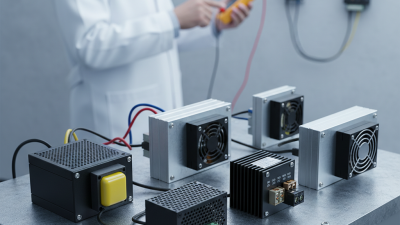
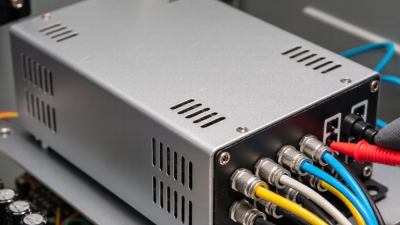
A panel mount SMPS is a compact power supply designed to attach inside an electrical cabinet or equipment enclosure. Its metal case supports secure installation, while terminal blocks provide clear connections for mains input and regulated DC output. In practical installations, airflow around the case matters because heat can shorten component life.

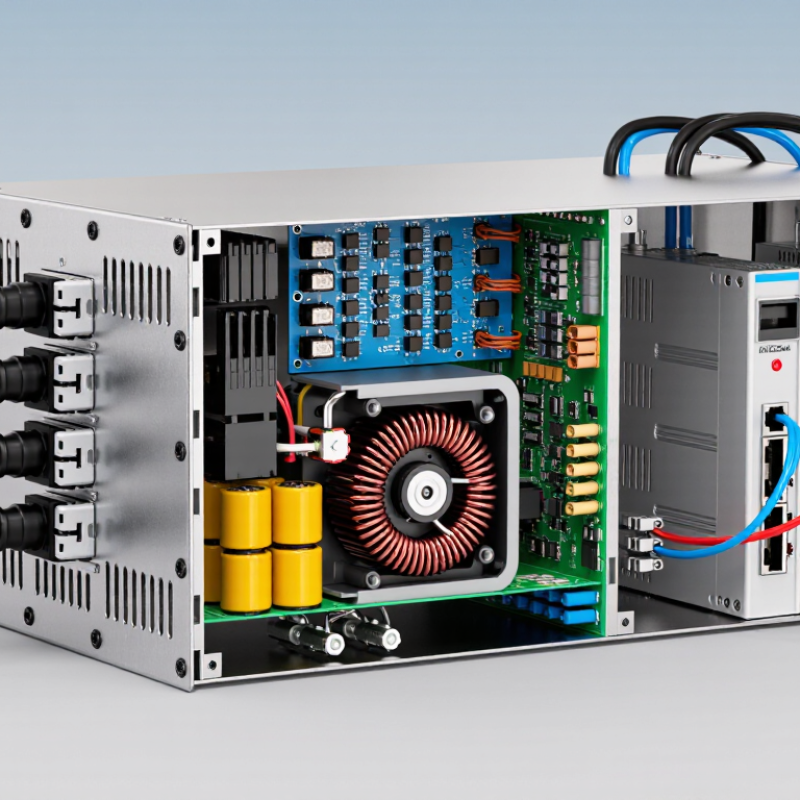
The input terminals feed a fuse and an electromagnetic interference filter. The fuse limits damage during serious faults, while the filter reduces unwanted electrical noise. A rectifier converts alternating current into pulsating direct current. Large capacitors then smooth this energy into a high-voltage DC bus. Dangerous voltage remains present after disconnection.

A switching controller drives a power transistor at high frequency. This transistor rapidly controls energy through a transformer, which provides isolation and changes the voltage level. On the output side, fast rectifiers and capacitors produce stable low-voltage DC. A feedback circuit measures the output and adjusts switching duty cycle when the load changes. An optocoupler commonly transfers this control signal across the isolation barrier.

Protection circuits monitor overcurrent, overvoltage, overheating, and short circuits. A heat sink carries waste heat away from the switching transistor and rectifiers. Output terminals should match the required polarity and current rating. A common installation mistake is selecting a supply by voltage alone. Load inrush, cabinet temperature, cable length, and available ventilation also deserve attention. Not every fault disappears automatically. Some units need manual resetting or replacement after severe overloads.

What Is a Panel Mount SMPS and How Does It Work?

A panel mount switched-mode power supply converts mains AC into regulated DC for control systems, sensors, and industrial electronics. The chart shows representative voltage levels in a 230 VAC to 24 VDC isolated supply: the bridge rectifier produces approximately 325 V peak DC, while the switching transformer and secondary rectifier deliver a regulated low-voltage output.

Main components: The input filter reduces conducted electromagnetic interference, the bridge rectifier converts AC to DC, the bulk capacitor smooths the rectified voltage, the switching controller drives the power transistor at high frequency, the transformer provides isolation and voltage conversion, and the secondary rectifier with feedback control produces stable DC output.

How a Panel Mount SMPS Converts Electrical Power

What Is a Panel Mount SMPS and How Does It Work?

A panel mount SMPS converts electrical power through rapid switching, not a heavy, continuously conducting transformer. Incoming AC first passes through a fuse, rectifier, and smoothing capacitor. This creates a high-voltage DC bus. A switching transistor then turns the current on and off thousands of times per second. A compact transformer transfers energy while providing isolation. On the secondary side, rectifiers and capacitors produce stable DC output.

A feedback circuit constantly compares output voltage with a reference value. If a motor starts or a sensor load changes, the controller adjusts the switching duty cycle. The response is quick. Heat still matters. A cabinet with poor airflow can force thermal derating, even when the datasheet lists full power. In practice, terminals, cable length, dust, and mounting orientation can change performance.

The U.S. Department of Energy’s external power supply analysis uses active-mode efficiency formulas that approach 88% for higher-power units. That figure is a useful benchmark, not a universal panel-supply guarantee. European Ecodesign Regulation 2019/1782 also limits no-load consumption to 0.10 watts for many lower-power external supplies. These figures show why standby loss deserves attention. However, industrial panel supplies often face higher temperatures and changing loads. Efficiency claims can therefore feel optimistic. Engineers should check tested efficiency, ripple, overload behavior, and derating curves under the actual installation conditions.

Installation and Wiring Considerations

A panel mount SMPS converts incoming AC or DC power into a regulated DC output through high-frequency switching. Its enclosure usually includes mounting flanges, screw terminals, and ventilation openings. Installation starts with the panel cutout and mounting surface. Measure twice. A small alignment error can stress the housing or leave gaps around the unit.

Place the supply where air can circulate freely. Keep heat-producing devices away from it, and never cover its vents with wiring ducts. Connect protective earth to the designated terminal with a short, secure conductor. Do not assume that a painted metal panel provides reliable grounding. On the input side, follow the marked line, neutral, and earth terminals. Install an appropriate fuse or circuit breaker upstream, based on the supply rating and local electrical requirements.

On the output side, verify positive and negative polarity before connecting the load. Reverse wiring can damage control equipment within seconds. Use correctly sized conductors, ferrules where suitable, and firm terminal torque. Loose connections create heat and intermittent faults. A multimeter should confirm the output voltage before the load is energized. Check voltage again during startup, because some loads draw a brief surge. Leave practical clearance for inspection and replacement. Condensation, vibration, and cable tension are easy to overlook. A tidy installation may still be unsafe if airflow, earthing, or strain relief was treated as an afterthought.

Common Applications and Selection Factors

A panel mount switched-mode power supply (SMPS) converts incoming AC or DC into a regulated output for equipment inside an enclosure. Its metal case attaches directly to a panel, saving rail space and shortening wiring paths. Internally, high-frequency switching controls energy transfer through a transformer or inductor. Feedback circuitry adjusts the duty cycle when the load changes. This design delivers efficient, compact power with less heat than many linear supplies. Not always.

These supplies support control cabinets, security equipment, factory sensors, LED systems, communication devices, and test instruments. In a cabinet, a 24 V output may power relays, PLC modules, and small displays. Outdoor or dusty installations need sealed construction and suitable ingress protection. Medical, transport, and industrial systems may require stricter insulation, leakage, or vibration performance. The application determines more than voltage alone.

Check the input range, output voltage, rated current, ripple, efficiency, and hold-up time. Leave practical headroom, because a supply rated exactly for the load may overheat during startup or motor surges. Confirm mounting depth, terminal orientation, cooling clearance, and grounding points before installation. Derating curves matter in warm cabinets. So does altitude. Review short-circuit, overvoltage, and overtemperature protection. A small detail can become a service problem. I would also test the complete load, because calculated demand can miss inrush current and electromagnetic noise.