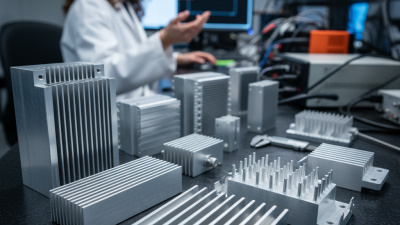
Why Choose Aluminum Heatsinks for Your Cooling Solutions?
In the world of thermal management, "Aluminum Heatsinks" play an essential role. According to Dr. Emily Richards, a leading expert in thermal engineering, "Aluminum Heatsinks offer unparalleled efficiency for various cooling solutions." This statement underscores the importance of selecting the right material for heat dissipation.
Aluminum is lightweight yet durable. Its thermal conductivity is high, making it perfect for electronics. It is crucial for devices that generate heat. Companies rely on aluminum heatsinks to maintain optimal performance. Inadequate cooling can lead to component failure, impacting reliability. This challenge necessitates a thoughtful approach to design.
Yet, not all aluminum heatsinks are created equal. Factors such as size, shape, and surface treatment influence performance. Engineers must consider these details carefully. Even minor oversights can lead to inefficiencies. Evaluating both performance and aesthetics is vital. Embracing innovation in heatsink design ensures a cooler future for technology.
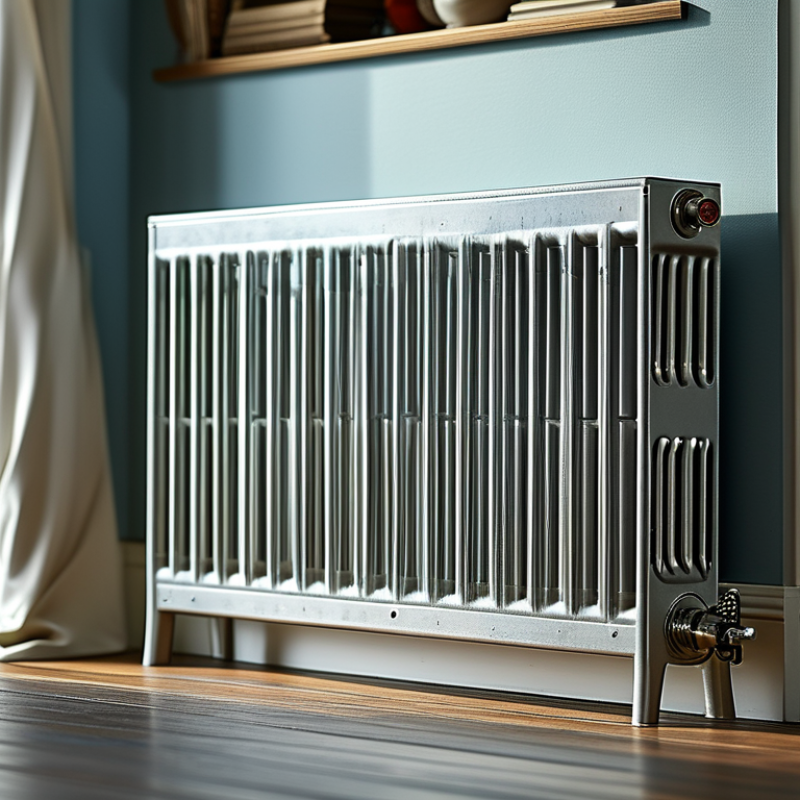
Advantages of Aluminum Heatsinks in Cooling Applications
Aluminum heatsinks have become a popular choice for cooling applications due to their numerous advantages. One of their key benefits is thermal conductivity. Aluminum efficiently disperses heat, maintaining optimal temperatures for electronic components. This characteristic helps prevent overheating, ensuring that devices operate reliably.
Another major benefit is lightweight design. Aluminum is significantly lighter than other materials like copper. This feature is vital for portable devices, as it reduces overall weight without compromising performance. Manufacturers appreciate this advantage, as it allows for innovative and compact designs.
Tips for selecting the right aluminum heatsink include considering the application environment. High-humidity areas may require treated surfaces to prevent corrosion. Additionally, analyze the size and shape of the heatsink to match specific components. A well-fitted heatsink will maximize contact area, enhancing heat dissipation.
Choosing aluminum also offers cost-effectiveness. While some materials may provide better thermal performance, the affordability of aluminum often makes it preferable. However, frequent evaluations of your cooling needs are necessary. As technology evolves, so do cooling requirements. Don't hesitate to reassess your cooling solutions periodically.
Comparison of Aluminum Heatsinks with Other Materials
When comparing aluminum heatsinks with other materials, several factors come into play.
Aluminum is lightweight yet strong, making it ideal for various applications. Its excellent thermal conductivity allows for efficient heat dissipation, crucial for preventing overheating in electronic devices. In contrast, copper heatsinks, while having superior thermal conductivity, are heavier and more expensive. This can limit their use in portable devices.
Plastic heatsinks offer a lightweight alternative, but they don't conduct heat as effectively. This often results in higher operating temperatures. Additionally, plastic can degrade over time, weakening its reliability. Ceramics can withstand high temperatures, but they are typically more brittle and fragile, making them less practical.
For better cooling performance, consider the heat sink's design.
Fins and surface area play crucial roles in heat dissipation. More fins increase surface area, allowing for better airflow. Using anodized aluminum can enhance corrosion resistance as well. Sometimes, a combination of materials may serve well in specific applications.
Evaluate your specific needs carefully. Optimize your design and consider integrating other materials if necessary. Understanding the strengths and weaknesses of each option informs better decision-making for your cooling solutions. Always conduct thorough tests to ensure your heatsink performs as expected.
Thermal Conductivity Properties of Aluminum Heatsinks
Aluminum heatsinks are celebrated for their remarkable thermal conductivity properties. This metal efficiently transfers heat away from critical components, making it suitable for various applications. Aluminum’s thermal conductivity is about 237 W/m·K, which allows for quick heat dissipation. This efficiency is vital in preventing overheating and ensuring optimal performance.
The lightweight nature of aluminum also contributes to its appeal. It allows for easy integration into devices without adding significant weight. When designing cooling solutions, engineers often need to consider weight and size. Aluminum strikes a balance, offering functionality without bulk. This makes it a preferred choice in industries ranging from electronics to automotive.
There are challenges in using aluminum, though. Corrosion can be an issue if not properly treated. Additionally, while its thermal conductivity is exceptional, other materials, like copper, offer slightly better performance. However, copper is heavier and often more expensive. Aluminum provides a reliable alternative. Its overall reliability and effectiveness can lead to cost savings in the long run. Exploring these properties helps engineers make informed decisions on heating and cooling systems.
Design Considerations for Aluminum Heatsink Efficiency
When it comes to cooling solutions, aluminum heatsinks stand out due to their lightweight nature and excellent thermal conductivity. Research indicates that aluminum has a thermal conductivity of 205 W/m·K, making it one of the most efficient materials for heat dissipation. This efficiency directly influences equipment longevity and performance. In industries like electronics, effective heat management can increase device lifespan by up to 30%.
Designing efficient aluminum heatsinks involves several considerations. Surface area plays a pivotal role; increased surface area allows for better heat dissipation. Engineers might opt for finned designs or increased thickness, but must balance these choices against weight and material costs. The aspect ratio—height relative to width—can also significantly impact cooling performance. A study published in the Journal of Electronic Packaging found that optimizing the aspect ratio increased thermal efficiency by 15%.
Despite their benefits, there are challenges. Aluminum can be susceptible to corrosion, requiring surface treatments for durability. The manufacturing process also demands precision; poorly designed heatsinks can lead to uneven heat distribution. Understanding these nuances is key to leveraging aluminum's cooling potential while addressing potential weaknesses.
Why Choose Aluminum Heatsinks for Your Cooling Solutions? - Design Considerations for Aluminum Heatsink Efficiency
| Dimension |
Value |
Notes |
| Material Type |
Aluminum |
Lightweight and efficient |
| Thermal Conductivity |
205 W/mK |
Higher than many materials |
| Density |
2.7 g/cm³ |
Low density allows for portability |
| Corrosion Resistance |
Good |
Can be anodized for enhanced protection |
| Manufacturing Cost |
Moderate |
Cost-effective for mass production |
| Customizability |
High |
Can be easily machined or extruded |
| Thermal Resistance |
Variable |
Depends on design and application |
Applications of Aluminum Heatsinks in Various Industries
Aluminum heatsinks play a pivotal role in various industries due to their excellent thermal conductivity. In the electronics sector, for instance, the global market for thermal management solutions is expected to reach $11 billion by 2026. This underscores the growing need for effective cooling systems in consumer electronics, telecommunications, and LED lighting. Aluminum, with its lightweight properties and ease of fabrication, makes it an ideal choice for compact designs.
In the automotive industry, aluminum heatsinks are employed in electric vehicles (EVs). As EV production surges, an increasing demand for efficient cooling systems is evident. The automotive sector accounted for over 25% of the total heatsink market in 2021, according to industry reports. The use of aluminum allows for better heat dissipation, enhancing the performance and safety of battery systems.
The aerospace industry also recognizes the value of aluminum for heat management. The lightweight nature of aluminum is crucial when optimizing aircraft performance. As reported, the global aerospace heatsink market is expected to grow significantly, driven by advancements in engine technologies and materials. However, challenges remain in achieving optimal designs that balance weight and cooling efficiency, necessitating ongoing research and development.