2026 Top Isolated Solid State Relay Types Buyers Need?
The 2026 buying conversation is moving beyond simple on-off switching. An Isolated Solid State Relay must now support safer automation, tighter thermal limits, and longer equipment service life. Buyers are comparing isolation voltage, load current, switching speed, leakage current, and heat dissipation. These details matter inside a compact control cabinet.
MarketsandMarkets reports continued growth in the global solid-state relay market, driven by industrial automation, renewable-energy equipment, HVAC systems, and electric mobility. Its market analysis also highlights demand for higher reliability and better switching performance. Grand View Research identifies similar expansion, particularly in factory automation and power-control applications. Semiconductor industry data from WSTS shows sustained demand for power-management devices, which directly influences relay design and availability. The numbers are encouraging. Still, market forecasts are not purchase specifications.
This guide examines the top isolated relay types buyers may need in 2026. It covers optically isolated AC relays, DC MOSFET relays, photovoltaic relays, hybrid SSRs, three-phase models, zero-cross versions, and random-turn-on designs. Each type behaves differently under motor inrush, resistive heating, inductive loads, and frequent cycling. For example, a zero-cross relay can reduce switching noise, while a random-turn-on model may suit phase-control applications. Thermal testing remains essential. A datasheet cannot fully describe a crowded cabinet at 55°C. Buyers should verify certification, insulation distance, surge tolerance, mounting conditions, and supplier traceability. Some comparisons remain too generic. That is a weakness worth acknowledging. The best choice depends on the actual load, installation environment, and failure consequences—not the headline current rating alone.
What Is an Isolated Solid State Relay?
What Is an Isolated Solid State Relay?
An isolated solid state relay controls a load without a direct electrical path between its input and output. A low-voltage signal activates an optical coupler, which switches the load circuit electronically. This separation protects control boards from high voltage, switching noise, and unexpected faults.
Unlike mechanical relays, isolated SSRs have no moving contacts. They switch quietly and respond quickly. Common types include AC-output SSRs for heaters, DC-output SSRs for valves and motors, and AC/DC models for flexible applications. Buyers should also check zero-cross switching, random-fire switching, output current, load voltage, and leakage current. A relay rated for 40 amperes may still need a heat sink under continuous load. Ratings alone can mislead.
Tips: Confirm the real load current, not only the nameplate value. Measure the enclosure temperature during operation. Leave a safety margin for startup surges. Also inspect the input signal requirements, because a control voltage mismatch can prevent reliable switching. In practical installations, heat and poor wiring cause more trouble than the relay itself. I have found that many selection errors begin with confusing isolation voltage and load voltage. They are different specifications. Review the datasheet, terminal spacing, and expected switching frequency before purchasing. The “best” type depends on the load, environment, and control system.
How Does an Isolated Solid State Relay Work?
How Does an Isolated Solid State Relay Work?
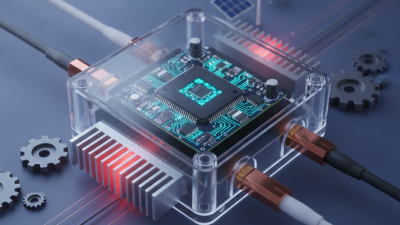
An isolated solid state relay separates the control circuit from the load circuit. Most designs use an input LED, an optical sensor, and semiconductor switching elements. When the LED receives a control signal, it creates light inside the relay. The sensor detects that light without a direct electrical connection. It then activates a MOSFET, thyristor, or triac on the output side.
This structure limits control-side exposure to dangerous voltage spikes. It also reduces mechanical wear because no contacts move. DC-load models commonly use MOSFET outputs. AC-load models often use triacs or back-to-back thyristors. Zero-cross switching can reduce inrush noise, while random-fire switching offers tighter timing control. The choice matters in heaters, conveyors, medical equipment, and automated test systems.
MarketsandMarkets estimated the global solid state relay market at approximately USD 1.4 billion in 2024, with continued growth expected through 2029. That growth reflects wider automation and stronger demand for contactless switching. However, market figures vary between reports. Buyers should check the research date and product definition.
Tips: Confirm isolation voltage, load current, surge rating, leakage current, and thermal resistance. A 40-ampere rating may require a heatsink. Measure the actual panel temperature. Datasheets can feel optimistic. Also, verify whether the relay uses zero-cross or random-fire control. A small mismatch can create flicker, delayed switching, or excessive heat.
2026 Top Isolated Solid State Relay Types Buyers Need
How Does an Isolated Solid State Relay Work?
An isolated solid state relay transfers the control signal across an electrical isolation barrier instead of using mechanical contacts. Optotriac and photo-SCR designs are commonly used for AC loads, while photovoltaic MOSFET relays are suited to DC switching. The ranges shown are representative engineering values; actual response time depends on the device, load, drive current, and circuit design.
Which Isolated SSR Types Will Buyers Need in 2026?
In 2026, buyers will need isolated SSR types that match the load, switching speed, and thermal environment. Photovoltaic MOSFET SSRs suit low-voltage DC circuits, battery systems, sensors, and compact industrial controls. They switch quietly and have no mechanical contact wear. However, their on-state resistance can create heat under continuous current.
For AC loads, triac and thyristor SSRs remain practical choices for heaters, lamps, valves, and motors. Zero-cross versions reduce switching noise during resistive loads. Random-turn-on versions respond faster for phase control and transformer applications. Check leakage current carefully. A small lamp may glow when the relay is “off,” which surprises inexperienced buyers. Snubber networks and fuses may also be necessary.
Hybrid isolated SSRs can support mixed AC and DC designs, but their specifications require closer review. Buyers should compare load current, peak voltage, surge rating, isolation voltage, response time, and mounting method. Thermal testing matters more than the headline current rating. In a test cabinet, a relay rated for 25 amperes may need substantial derating beside warm contactors. I have seen selection errors caused by ignoring ambient temperature and ventilation. Datasheets are reliable starting points, not substitutes for real load testing. Specification gaps still exist. Test the actual load.
How Do Key SSR Specifications Affect Selection?
Isolated solid state relay selection begins with the load, not the product label. Buyers should verify load voltage, continuous current, surge current, and switching frequency. A 10 A load with a 1.2 V on-state drop generates about 12 W of heat. That loss needs a heatsink or stronger airflow. Current ratings without derating can mislead.
IEC 62314:2018 provides a useful framework for SSR performance testing. IEC 60664-1:2020 also separates insulation coordination into four pollution degrees. Therefore, isolation voltage alone is not enough. Check creepage, clearance, dielectric strength, and transient immunity.
For heaters, zero-cross switching usually reduces electrical disturbance. For motors, transformers, or fast valves, random turn-on may respond better. Off-state leakage matters too. A small leakage current can keep a low-power load faintly energized.
Thermal behavior is often underestimated. Review the derating curve at the actual ambient temperature, not at 25°C in a laboratory. A 2024 industrial automation market assessment from MarketsandMarkets projects continued automation expansion through 2029, increasing demand for compact switching devices. Yet market growth does not simplify selection. The uncomfortable truth is that many failures come from wiring, airflow, or surge conditions. I have seen a relay pass bench testing and fail inside a crowded cabinet. Select isolation class, output type, and protection after measuring the real load. The datasheet is a starting point, not proof.
Which Applications and Safety Factors Guide the Purchase?
Choosing among 2026’s top isolated solid state relay types starts with the application, not the catalog label. AC zero-cross relays suit heaters and lamps, where reduced switching noise matters. Random-turn-on AC relays respond faster for motors, transformers, and dimming circuits. DC MOSFET relays fit 24-volt solenoids, valves, sensors, and battery systems. Three-phase versions support industrial pumps and compact process equipment. The load decides the relay.
Tips:
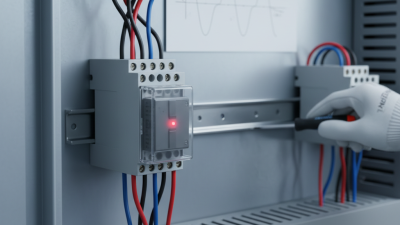
Check voltage, current, inrush, leakage, and switching frequency together. A heater may draw steady current, while a motor briefly demands several times more. Measure the cabinet temperature. Heat sinks and airflow can change the safe load significantly. Select adequate creepage and clearance distances. Confirm the input-output isolation rating from the technical datasheet, not a sales summary. Add suitable fusing and overcurrent protection.
Safety also depends on the failure mode.
An AC relay can remain conducting after damage, which may overheat a heater or motor. An off-state relay still allows small leakage current. That can keep a sensitive lamp faintly glowing or a valve partly energized. Snubbers, surge suppression, and proper grounding reduce stress, but they are not universal fixes. Installation quality matters. A rushed terminal connection can defeat an excellent relay. The choice is rarely perfect; vibration, dust, heat, and maintenance access deserve another review before purchase.